The Paterson Journal
Moving to Paterson NJ: Your First-Year Guide
 By Johnny Rodriguez
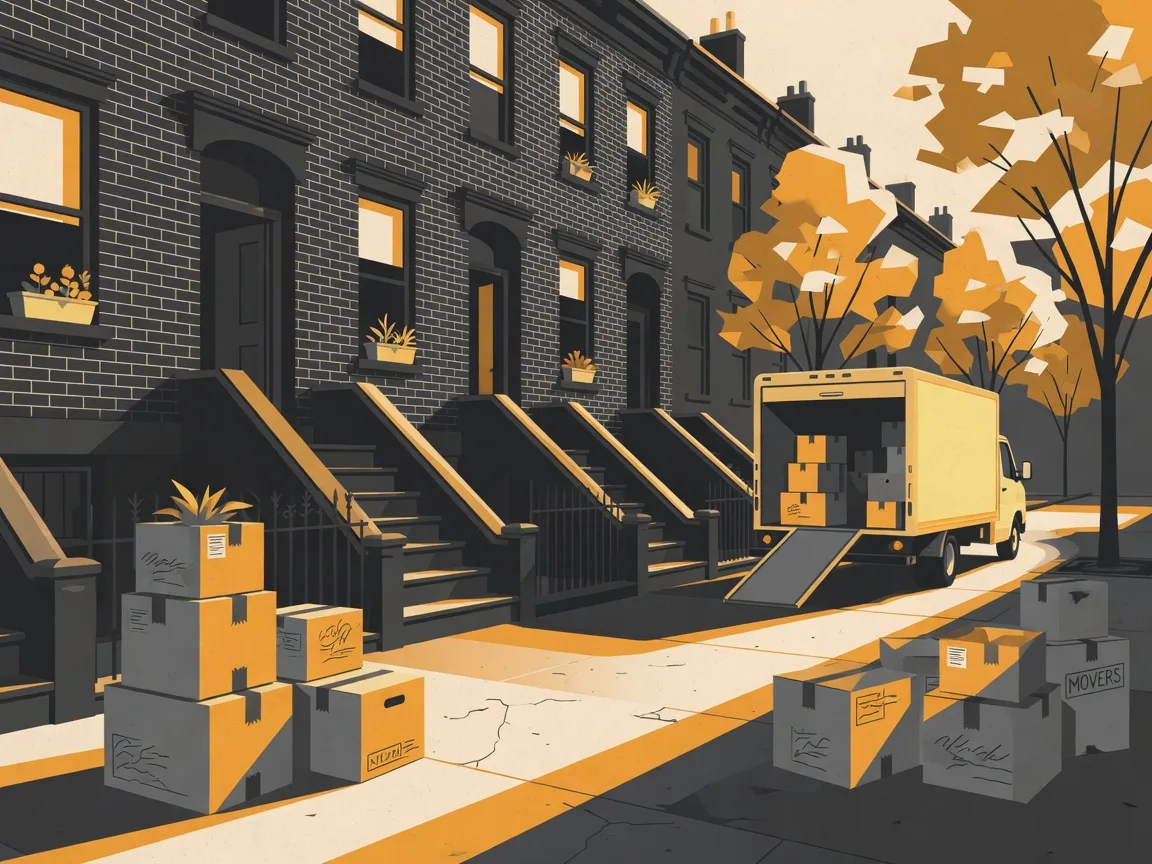
Moving to Paterson means trading the crowd of Manhattan for a city with a national park waterfall in its center, one of the fastest commutes to Midtown in the affordable price band, and a dining scene that quietly embarrasses neighborhoods twice its size. This guide covers the first year, the honest version, so you know where to look, how to get around, and what actually costs what.
Start with the neighborhoods
Do not pick a section from a map. Drive the blocks. Hillcrest, on the west side, gets you quiet elevated streets and the 28-acre Westside Park near the Great Falls, and it is where I grew up. The Great Falls area is the historic heart: mills, the falls, the Paterson Museum, and downtown Main Street dining. Eastside brings grand historic homes around Eastside Park. South Paterson sits at the base of Garret Mountain with Main Avenue's legendary shopping strip, and Lakeview and Sandy Hill offer established single-family streets with fast freeway access.
The full tour lives on the neighborhood guide, and it is worth a Saturday to hit four or five sections in one drive, the city is compact enough that you can.
The commute is the whole point
Paterson's biggest secret is that the rails actually work. The NJ Transit Main Line leaves Paterson station, gets to Secaucus Junction in about 25 minutes and Hoboken in about 37, and from there it is a short NJ Transit or PATH ride into Manhattan. Station to station, plan on 55 to 75 minutes. The 190 express bus does the door-to-door Port Authority run in about 50 to 56 minutes when traffic behaves, and route 161 covers you all day.
More detail, including road routes like I-80 and Route 20, is on the commuter guide. Door to door, Paterson commuters land in the same 60 to 75 minute club as many suburbs that cost double.
What it costs
Public trackers vary, but the shape is consistent: Paterson is one of the more attainable places to buy near New York. Median home values across providers run from roughly $360,000 to $536,000 depending on the source, list prices have been hovering around half a million, and rents average around $2,000. Homes recently averaged about two months on market, a sign of a healthy, moving market rather than a frenzy. The accurate number for any single house depends on condition, block, and timing, and that is what the free home value estimate is for.
Your first weekends
Start at the falls. Paterson Great Falls National Historical Park is a 77-foot waterfall you can be standing next to ten minutes after breakfast, with overlooks, raceways, and the museum in the old locomotive shop. Then do Hinchliffe Stadium for baseball history, Lambert Castle up on Garret Mountain for the view, and the year-round Paterson Farmers Market on East Railway Avenue for groceries with character. For dinner, Main Avenue and downtown serve some of the region's best Middle Eastern and Dominican cooking, all of which is profiled on the things to do page.
One local's advice
Give yourself a year before you judge any street, because Paterson changes block to block, and the block you rent on now may not be the block you want to buy on later. Join the neighborhood calendar, subscribe to the Insider, and when you are ready to make the move from renter to owner, or seller to mover, call a local who has stood on every one of these corners. That is what I am here for.
Ready for year one?
Get a free home value estimate or book a no-pressure talk about neighborhoods and the market with a Paterson native.